Chia is well known for being a “superfood”, and this reputation is for a good reason: they are full of nutrients that provide several health benefits.
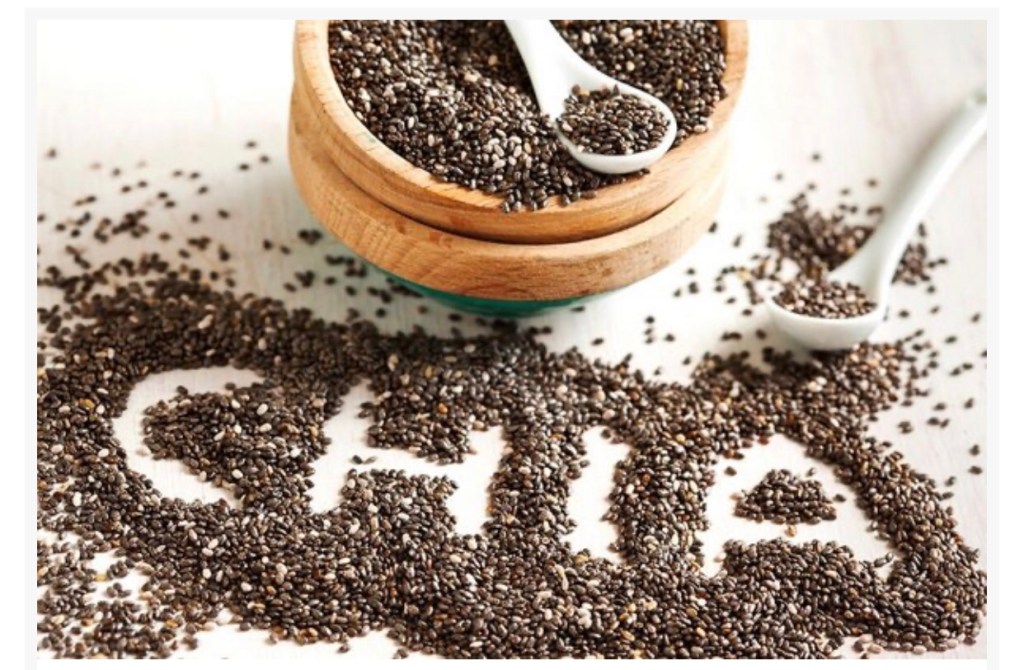
A two-scoop serving (about 28 g) contains about 79 calories, 7 g of fiber, 3.8 g of protein and 126 mg of calcium – 13% of the recommended daily amount. It also has good amounts of omega 3, proteins and antioxidants.
There was a time when chia had become the darling of diets for helping to lose weight, but several scientific researches prove that consuming seeds provides multiple benefits for the body and even prevents health problems.
Nowadays it is no longer in demand but people still use it. I include it in my current diet (in one of the meals with iorgute and whey protein)
Researching the benefits I found that:
Helps you lose weight
Alone, no food makes a person lose weight. But chia is a great ally of weight loss, when associated with healthy diets and exercise. This is because the seed is rich in fiber, in addition to proteins and omega 3. These properties help to maintain satiety and, consequently, in reducing food consumption. The fibers help in the absorption of water, transform into a type of gel and increase the dilation of the stomach, which makes the return of the sensation of hunger slower. A study published in Nutrition Research and Practice found that eating chia seeds for breakfast increases satiety and reduces short-term food intake.
Prevents premature aging
Chia is rich in antioxidants, whose regular consumption prevents the formation of free radicals that are responsible for destroying cell membranes, shows research published in the Gerontology Research Center (USA). Therefore, the seed helps in a diet that slows down the aging process.
Stops heart disease
Food is very effective in combating heart disease such as heart attacks and strokes. Chia has large amounts of omega 3, omega 6, antioxidants, fibers and proteins that protect the body from cardiovascular disease. Omega 3, for example, helps regulate blood vessel pressure and prevents hypertension, according to a study by the Federal University of Paraíba (UFPB). In addition, several studies relate food to the reduction of these types of health problems, as in people with diabetes.
Controls and prevents diabetes
The chia seed has fibers and increases the release time of glucose in the body, which contributes to prevent type 2 diabetes. It is known that food when placed in contact with water, forms a viscous gel that, when ingested, produces a physical barrier that separates digestive enzymes from carbohydrates, promoting a slow conversion of carbohydrates into sugar. Consequently, it provides a slower digestion, keeping blood sugar levels more constant and controlling blood glucose.
Strengthens immunity
The food has nutrients such as phosphorus, manganese and potassium, which help the immune function, as they inhibit the reproduction of inflammatory cells, acting in the prevention of diseases and in the preservation of cell membranes and neurotransmitters. It also contains amino acids such as aspartic acid and glutamine, which are related to improving the immune system. Therefore, including chia in the diet strengthens the body’s defenses and removes the risk of diseases such as colds, flu and infections.
Protects bones
Chia is also a source of calcium, an essential mineral for maintaining stable bone health. Thus, the grain becomes an ally to keep bones rigid and prevent osteoporosis – a condition that makes bones more fragile and susceptible to fractures.
Prevents constipation
One of the biggest components of chia is fiber, especially insoluble fiber which, when combined with water, turns into a gel, which increases fecal volume and induces peristaltic movements, preventing constipation, in addition to increasing satiety.
Helps prevent cancer
The same antioxidants that reduce cellular aging also help to prevent the formation of tumors, which makes chia welcome in the diet of those who want to avoid the problem. It also has plenty of fiber, which induces intestinal peristalsis (bowel movements) and helps prevent colon cancer.
Protects the brain
Chia helps brain functions by containing magnesium, an essential nutrient for the full functioning of the brain and cognitive connections. In addition, the seed contains linoleic and alpha-linolenic acids that are related to the formation of cell membranes, brain functions and the transmission of nerve impulses.
Improves the body after training
With their high protein and fiber content, chia seeds are ideal to be included in a post-workout recovery drink or snack. This happens due to the presence of the protein. The nutrient contributes to the maintenance of muscle mass and provides more energy. In addition, chia seeds have omega 3, which improves athletes’ performance, according to a survey by the University of Alabama (USA).
Study benefit
- Decreases cholesterol: The consumption of chia, even in low doses, decreases blood viscosity, due to the presence of omega 3 fatty acid. This facilitates microcirculation, increasing tissue oxygenation and thus reducing cholesterol and triglyceride levels. in the blood. Studies carried out on rats prove the efficiency of food against “bad” cholesterol in the body.
- Avoids the formation of localized fat: a study published by the European Journal of Clinical Nutrition, showed that chia can help reduce “love handles”. Performed for twelve weeks with thirteen healthy individuals who consumed the seed. They had a reduction in insulin spikes in the blood, which prevents the accumulation of fat in the body. Seed risks Because it is very caloric, experts recommend a daily serving, about two tablespoons of chia, divided into different meals. The ideal is that the chia is hydrated before consumption. In excess, and in cases of people who drink little water, it can cause digestive problems such as abdominal pain, constipation, diarrhea, bloating and gas. This is due to the large amount of fibers present in the food. People who are sensitive to mustard, sesame seeds, oregano or thyme may also be allergic to chia. Those who take anticoagulants, other medicines for heart problems or diabetes should consult their doctors before consuming chia seeds. It is important to note that chia has properties that reduce blood pressure. Therefore, consumption should be moderate for people with low blood pressure. It is also known that complications occurred in those who had swallowing problems, since the seed absorbs large amounts of fluids and can expand the esophagus when consumed with water. How to consume? Chia has a neutral flavor and can be used in sweet and savory preparations. Here are some ways to include the seed in your daily life.
- In natura: can be eaten sprinkled in yogurt or fruit salads.
- Pasta: add in breads and pies. It can be a substitute for wheat flour.
- Drinks: to increase the fiber content and decrease the glycemic index, the seed can be part of juices or vitamins.
- Salads: try sprinkling the seed on different salads to enjoy the nutrients of chia.
- Eggs: the seed can also complement omelet recipes and even replace food. This is possible because when mixing the chia with water it becomes a gel.
Sources: Marcela Voris, a nutritionist and member of the Brazilian Association of Nutrology (ABRAN); Marisa Resende Coutinho, nutritionist at the São Camilo de SP Hospital Network; Marisa Diniz Graça, nutritionist at Hospital Leforte; Tarcila Ferraz de Campos, nutritionist at Hospital Alemão Oswaldo Cruz.
 Flavia Ferreira Machado