Do you know what Glutamine is? The Glutamine supplement is well known in the market,
also known as l-glutamine or glutamine has the function of a non-essential amino acid, which represents about 61% of skeletal muscle tissue. Glutamine is produced naturally by the body and consists of 19% nitrogen, being the primary transporter of nitrogen for muscle cells.
The production of this amino acid is made from a biotechnological fermentation process, using natural and renewable raw materials!
Cool huh?! 😊But in practice Do you really know what glutamine is for? The Glutamine supplement has several benefits that we will address during the content, but it is mainly useful for Endurance athletes (endurance), pre and post-surgical patients and among other pathologies. Among the benefits we can mention:
💪🏻 Improves intestinal integrity
💪🏻 Improves muscle recovery.
💪🏻 Improved resistance.
💪🏻Decreased muscle burn.
💪🏻High biological value.
💪🏻Fast source of amino acids.
💪🏻Improvement of the immune system.
💪🏻Maintenance of lean mass.
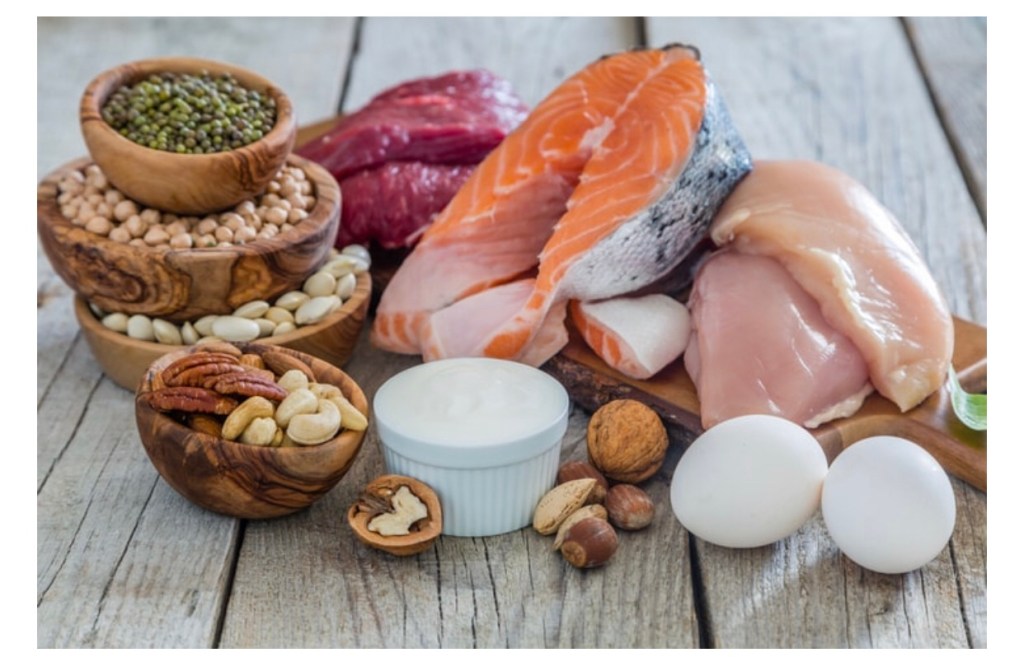
The important thing to remember is that you can find Glutamine present in various foods or in conjugated supplements.
Protein supplements have a good amount of glutamine, such as Whey Protein already in food: Red meat 4.7% protein in general ranging from 4.4% to 4.8%
Skimmed milk at 8.08% protein, in general varying between 8.7% and 9.2%.
Corn at 16.2% protein
9.1% Tofu protein
4.3% protein eggs
For more details on how much uglutamine to consume, seek the advice of a Nutritionist.
Glutamine is not fattening, mainly because it is an amino acid and calorie levels are minimal.
Glutamine is a supplement that provides health, well-being and performance. It can be consumed continuously according to your needs.
Glutamine is a food supplement, so it has no side effects. However, like all dietary supplements, excess is never beneficial, taking large amounts of glutamine can contribute to stomach upset and increased ammonia. The correct thing is to follow the recommended dose.
 Flavia Ferreira Machado