What vitamin C, nothing! In recent times, omega-3 has gained a track record of causing envy in other nutrients. It’s even received a loving nickname, “good fat”. Yes, it is a fat.
Around 1970, scholars identified a lower cardiac risk among Eskimos in Greenland, whose diet consisted mainly of fish, whales and seals – natural sources of the substance.
Since then, it has gained responsibility for other feats, such as safeguarding memory, helping with weight loss, strengthening the immune system, preventing dry eye, preserving hearing, preventing some types of cancer, making bones resistant …
Benefits of Omega 3
💪🏻Practicality when ingesting.
💪🏻Decreased triglycerides.
💪🏻High concentration of DHA and EPA.
💪🏻Improved cholesterol levels.
💪🏻Aid in metabolism.
💪🏻Assists in the prevention of cardiovascular diseases.
💪🏻Improved cognitive function.
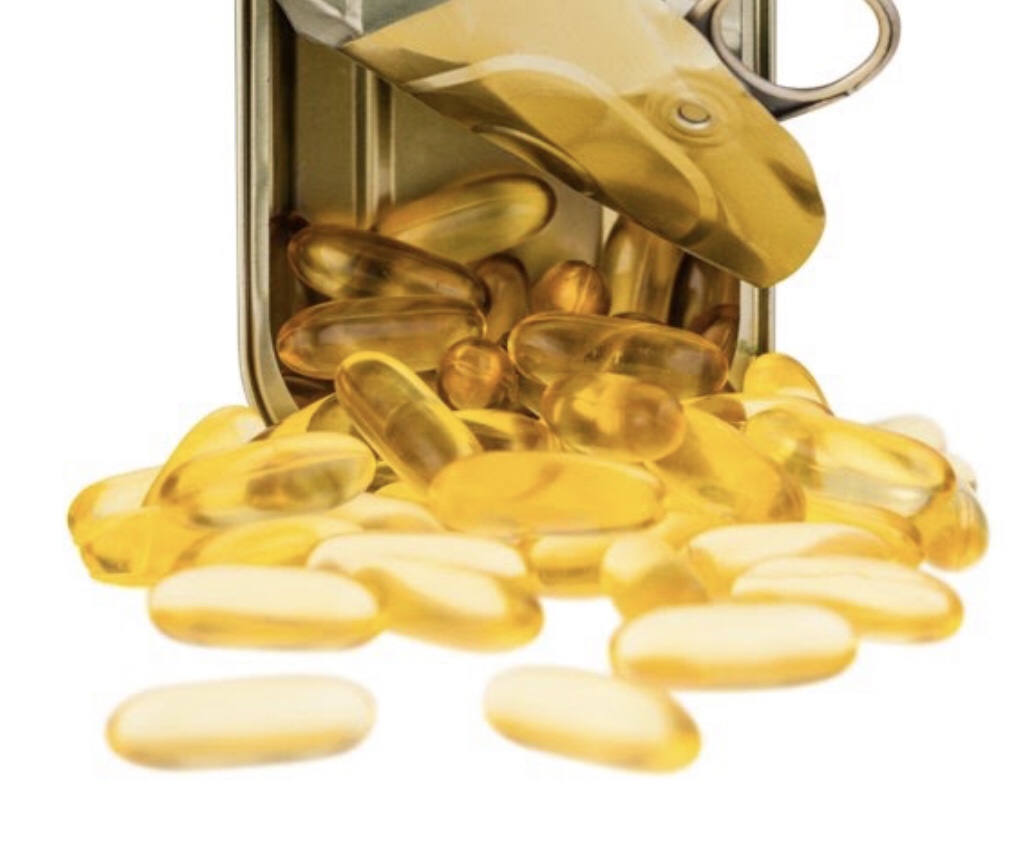
The most classic effect credited to omega-3, however, was and still is the protection of the chest – basically for its skill in combating inflammatory processes, and also for the appearance of cardiovascular diseases. It is with this focus that the nutrient appeared, in the form of fish oil capsules, in pharmacies, health food stores and even on TV.
Omega 3 is a compound of alpha-linolenic acid (ALA), eicosapentaenoic acid (EPA) and docosahexaenoic acid (DHA). These are essential and polyunsaturated fatty acids, that is, they are not produced by the body and need to be acquired through the diet. In food, they can be found in oils from cold water fish, such as sardines and salmon, in addition to vegetable oils from flaxseed, canola, corn.
Most nutritionists recommend that Capsules should be taken immediately before, during or after meals. Absorption is best when omega 3 is taken with food.
 Flavia Ferreira Machado